Introduction
2000cc vs 1600cc is a car, one of the first questions that pops up is: “Should I go for a 1600cc or a 2000cc engine?” These two sizes dominate the mid-range car market worldwide—from sedans and hatchbacks to SUVs and crossovers. The difference between them isn’t huge, but it affects everything from acceleration and fuel bills to road tax and insurance. Let’s break it down in plain English so you can decide which one actually fits your life.
What Do 1600cc and 2000cc Actually Mean?
“cc” stands for cubic centimetres—the total volume of all the cylinders inside the engine. It’s like measuring the size of the engine’s lungs.
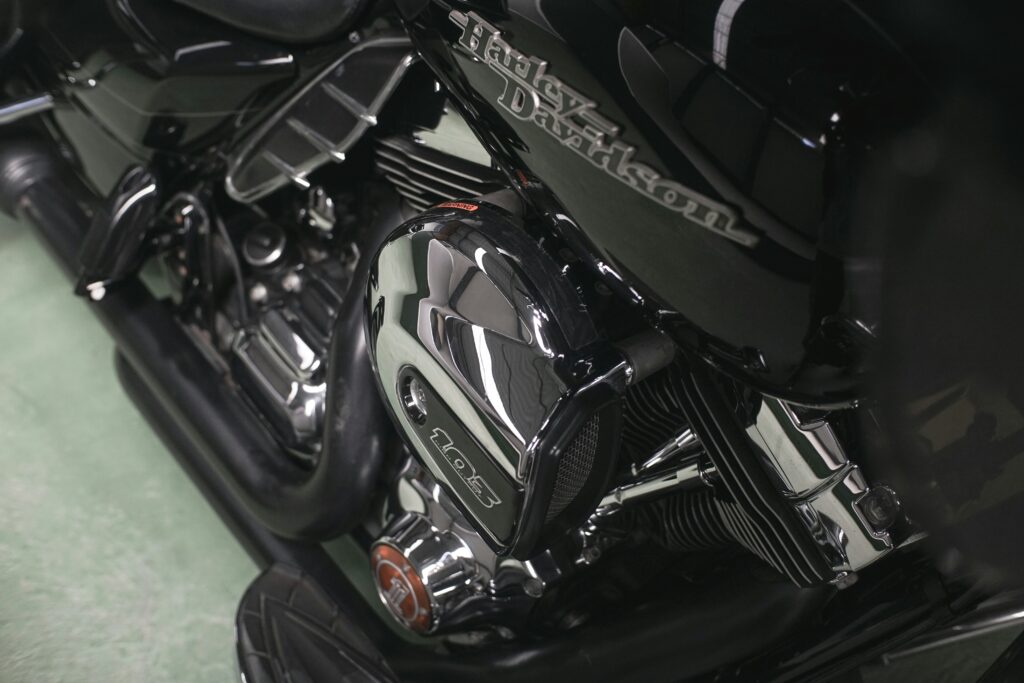
- 1600cc = 1.6 litres (a medium-small engine)
- 2000cc = 2.0 litres (a medium-large engine)
A bigger engine can suck in more air and fuel in each cycle, which usually means more power. However, modern turbochargers can make a small engine behave like a much bigger one, so raw cc numbers don’t tell the whole story anymore.
Power and Performance: How They Feel on the Road
This is where most people notice the difference.
- A typical 1600cc naturally aspirated engine produces 100–130 horsepower and 140–160 Nm of torque.
- A typical 2000cc naturally aspirated engine produces 140–170 horsepower and 180–220 Nm of torque.
- Many new 1600cc engines are turbocharged and can hit 150–200 hp (e.g., Volkswagen 1.5 TSI, Honda 1.5 Turbo).
- Many 2000cc engines are now mild-hybrids or turbocharged too, pushing 180–250 hp.
Real-world feeling:
- 1600cc: Perfectly fine in the city, but you have to plan overtakes on highways.
- 2000cc: Feels relaxed and confident at any speed. You press the accelerator and the car just goes—no drama, no downshifting needed.
Fuel Economy: Who Drinks Less?
This is the biggest myth. A lot of people think “smaller engine = always better mileage”. In 2025, that’s not automatically true.
Average real-world figures (mixed city + highway):
- 1600cc naturally aspirated: 13–16 km/l (petrol)
- 1600cc turbo: 14–18 km/l (thanks to smaller size + clever tech)
- 2000cc naturally aspirated: 12–15 km/l
- 2000cc turbo + mild hybrid: 15–19 km/l (many new models beat older 1600cc cars)
Winner? It depends on the car and how you drive. A latest-generation 2.0-litre hybrid (like Toyota Camry or Hyundai Tucson) can easily match or beat an older 1.6-litre non-turbo sedan.
Driving Scenarios: Which One Wins Where?
| Situation | 1600cc Winner? | 2000cc Winner? |
|---|---|---|
| City traffic & short trips | ✓ Very good | Good, but no big advantage |
| Highway cruising & overtaking | ✓ Clearly stronger and more relaxed | |
| Mountain roads & ghats | ✓ More torque = less gear shifting | |
| Fully loaded (5 people + luggage) | ✓ Doesn’t feel strained | |
| First-time or nervous driver | ✓ Easier to handle | Still manageable, but more power to control |
| Running cost focus | ✓ Slightly cheaper tax/insurance in many places |
Comparison Table (2025 Real-World Data)
| Factor | 1600cc (1.6L) | 2000cc (2.0L) |
|---|---|---|
| Typical Power | 105–180 hp | 140–250 hp |
| Typical Torque | 140–270 Nm | 190–400 Nm |
| 0–100 km/h | 9–12 seconds | 7–10 seconds |
| Fuel Economy (real) | 13–18 km/l | 12–19 km/l |
| Road Tax (many countries) | Lower band | Higher band (10–30% more) |
| Insurance | Usually ₹2,000–4,000 cheaper per year | Slightly higher |
| Spare parts & service | Widely available, cheap | Slightly costlier, but still common |
| Resale value | Good | Often better (bigger engine = perceived premium) |
| Best modern examples | Honda City 1.5 i-VTEC, VW Virtus 1.0 TSI, Hyundai Verna 1.5 Turbo | Toyota Camry Hybrid, Skoda Octavia 2.0 TSI, Honda CR-V 2.0 Hybrid |
Pros & Cons of Each Size
1600cc Engines – Pros
- Cheaper road tax and insurance in most countries
- Excellent city fuel economy
- Lighter engine = slightly better handling in small cars
- More than enough for daily commuting
- Lower purchase price in the same model (when offered)
1600cc Engines – Cons
- Can feel underpowered when fully loaded or on steep climbs
- More gearbox work on highways
- Turbo versions need premium fuel and careful maintenance
2000cc Car Feels Slow Or Powerful
2000cc Engines – Pros
- Effortless highway performance
- Better for long-distance travel
- Higher resale value
- More relaxing to drive—no need to rev hard
- Often paired with better features and smoother transmissions
2000cc Engines – Cons
- Higher running cost if it’s an older non-hybrid model
- Heavier engine can slightly affect city handling
- Higher road tax in many regions
- Slightly thirstier in bumper-to-bumper traffic
The Turbo Effect: Why the Gap Is Closing Fast
In 2025, the biggest game-changer is turbocharging. A modern 1.6L or even 1.5L turbo engine can produce as much power as an older 2.0-litre naturally aspirated engine—while using less fuel at light throttle.
Examples:
- Kia Seltos 1.5 Turbo (160 hp) vs older Honda Civic 1.8 NA (140 hp) → the “smaller” turbo wins
- Volkswagen Tiguan 2.0 TSI (190 hp) vs older Fortuner 2.8 diesel → similar power, much better refinement
So if you’re comparing a latest 1600cc turbo against a 2000cc non-turbo from five years ago, the smaller one might actually feel quicker.
Final Verdict: Which One Should You Buy?
Choose 1600cc if:
- You mostly drive in the city
- Fuel cost and road tax are your biggest worries
- You’re buying your first car or have a tight budget
- You rarely carry five adults or travel long distances
Choose 2000cc if:
- You regularly drive on highways or hilly areas
- You want a relaxed, stress-free driving experience
- Your family is big or you carry a lot of luggage
- You’re keeping the car for 7+ years (bigger engines age better)
In 2025, the honest answer is: both are excellent. The difference has never been smaller thanks to turbo and hybrid technology. Test drive the exact models you’re considering—numbers on paper matter less than how the car actually feels to you.
1600cc Vs 2000cc Mileage Comparison
FAQ – 2000cc vs 1600cc
- Is 1600cc underpowered for Indian highways? No, not really. A good modern 1600cc (especially turbo) is perfectly fine up to 120–130 km/h. Only if you’re always fully loaded or love very quick overtakes will you miss the extra power.
- Which one has cheaper spare parts? 1600cc usually wins slightly because the engines are simpler and fitted in more budget models. But the difference is rarely more than 10–15%.
- Does a 2000cc car always pay more road tax? Yes in most states of India, Malaysia, and several European countries. The jump from 1600cc to 2000cc often crosses a tax bracket, adding ₹15,000–50,000 lifetime extra tax.
- Can a 1600cc turbo last as long as a 2000cc naturally aspirated? Yes, if you service it properly and use the right oil. Many 1.4/1.5/1.6 TSI and Turbo engines are crossing 2 lakh kilometres without major issues.
- Which one is better for a family of five? 2000cc, hands down. The extra torque makes driving with a full load much more relaxed and safer when you need to accelerate quickly. Visit Now